

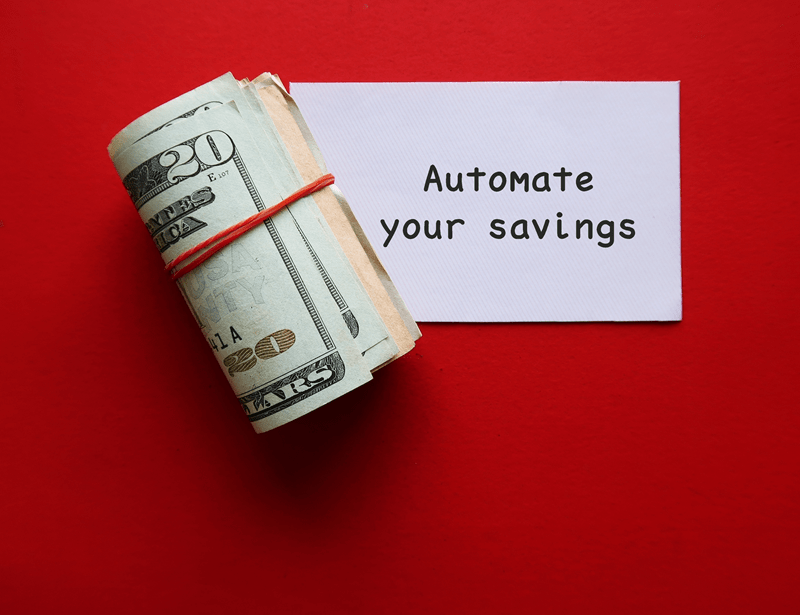
Building wealth isn’t only about earning more — it’s about creating systems that help you keep more of what you earn. For many Americans juggling work, bills, debt, and family responsibilities, saving money consistently can feel challenging. The good news is that modern banking tools and financial habits can make saving nearly automatic. With the right structure, you can make saving effortless and stay on track toward long-term goals.
This guide breaks down how to automate your savings plan, how to set up recurring transfers, how to apply the pay yourself first rule, and how to use practical savings automation tips that actually work for a U.S. household. To help readers better understand common insurance and finance terms that appear in personal budgeting, you’ll also see how understanding financial terminology can boost smarter money decision-making. Automating your savings reorders your whole view toward finances.
Even people who understand the importance of saving often struggle with consistency. Life gets busy, unexpected expenses arise, or money simply gets spent before any portion makes its way into a savings account. Automation solves these problems by removing the need for constant willpower.
Here's why automation works:
Here are a few steps to automate your savings.
Define what you're saving for before setting up automation. Some common U.S.-based goals include the following:
When you have a purpose, that automated system becomes intentional rather than random.
Most banks in the U.S. offer at least one form of automatic savings plan, but which option works best really has to do with your income style and financial responsibilities.
A. Paycheck Automation
If you get a regular salary, earmark an amount from each paycheck to transfer into your savings. Combining the strategy for paycheck deposits with the pay yourself first rule ensures that savings happen first, before discretionary spending.
B. Automation by using a Percentage
Freelancers or gig workers might prefer setting aside a fixed percentage of income rather than some fixed dollar amount. That automatically scales with earnings.
C. Bank-Linked Savings Programs
Many banks round up your purchases to the nearest dollar and transfer the difference into savings. That is a small but very effective form of an automatic savings plan that helps to make saving painless.
Whichever you choose, the goal's the same: to make saving easy and automatic.

One of the simplest ways to automate money is to set up transfers of recurring frequency from your checking account into a savings account. That way, money moves on its own without your involvement.
Here's how to set up the best system:
Set up recurring transfers in place, and saving becomes a background process rather than a monthly struggle.
One of the most powerful wealth-building strategies is the pay yourself first rule. Instead of saving whatever is left over, you treat savings like a non-negotiable bill.
Here is how to follow this rule:
This technique means it would be easy to save regularly, predictably, and effectively.
Add more automation savings tips to your plan to help you maximize your wealth-building strategy:
Once minimum payments are dealt with, automate a small, weekly or monthly amount toward debt reduction. Even though your systems run on autopilot, a quick review makes sure you are still on target with your financial goals.
Adding these automation tips for savings in addition to your base plan ensures that your savings accelerate over time.
One of the most powerful financial decisions you can make is to automate your savings. Whether this happens through an automatic savings plan, through recurring transfers, or the pay yourself first rule, you'll find that these systems make saving nearly effortless.
The thing is, it is not great, one-time decisions that create wealth, but the small, consistent, automated ones that reduce stress and increase long-term financial security. Besides, with a basic understanding of key financial terms from a Health Insurance Glossary, together, you will be better positioned to manage future expenses and protect your savings.
Yes. Automating your savings removes the monthly decision-making that leads people to skip saving. Transfers that happen on their own, whether through paycheck splits, recurring transfers, or an automatic savings plan, build consistency without needing to resort to willpower. Most Americans find this easier because it ensures money is saved before it can be spent.
Start small-any consistent amount works. Even automating $10, $20, or $25 weekly builds momentum, especially if you avail yourself of the pay yourself first rule. As your budget improves or income increases, you can increase the amount. Remember, the key is in consistency and not size.
Medical costs in the U.S. can drastically impact your financial stability. Understanding basic terms, such as deductible, copay, coinsurance, and out-of-pocket maximum, allows you to estimate realistic health expenses accurately.
This content was created by AI