

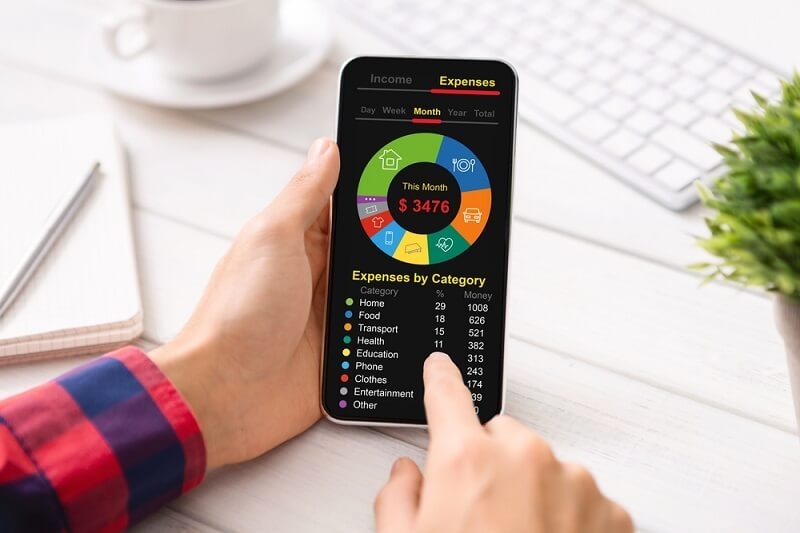
Finding the best budgeting app and free budgeting tools is one of the smartest financial moves. With digital finance growing fast, choosing between a money tracking app review, a detailed budgeting software comparison, or modern digital budgeting methods can feel overwhelming. And with the rise of the best personal finance apps, knowing which tool genuinely helps you save more is more critical than ever. We simplify and explain things simply, practically, and efficiently so you take charge of your Savings Strategy.
People usually begin searching for Budgeting Apps or Free Budgeting Tools by asking themselves one question: What makes these Tools really useful for handling real-world finances? No Matter if you are reviewing a Money-Tracking App through a Money-Tracking App Review or Comparing Features from Budgeting Software through a Budgeting Software Comparison Chart or experimenting with New Digital Budget Methods, the ideal Tool is going to give you insight into your Spending Habits and motivate you to build Lifelong Good-Saving Strategies.
All the best applications today have made budgeting easier than ever. With Automation, Real-Time Expense Breakdown, and Intelligent Financial Guidance as standard features.
In evaluating the features of any money tracking application, the majority of users are interested in how those features help them optimize their cash flow, pace their bills and ultimately achieve their long-term financial goals. Commonly, users choose money tracking applications because they have some combination of:
Good reviews for good money tracking applications frequently comment on the degree to which they help users avoid keeping all records of their expenses in Excel spreadsheets or making random guesses about how much they have left.
This is especially helpful for beginners trying to adopt digital budgeting methods without feeling overwhelmed.
Digital budgeting is no longer limited to apps. Numerous individuals are investigating other forms of financial management, other than traditional methods of managing finances by using numerically based budgets, such as envelope-based budgets, or the zero-based budget, and those who can get a better idea about budgeting through AI-driven tools.
Listed below are some of the most popular ways to manage finances through digital platforms.
Every dollar has a purpose.
You take the amount of income you receive ($3,000) and break that amount down into different categories, such as rent, groceries, savings, and entertainment. You continue to do this until you have assigned all of your income to categories and there are no further unassigned dollars. Most budgeting applications and free budgeting software will support this budgeting method.
Envelope-style apps digitally divide your budget into spending categories. This option is very effective if you are a regular overspender and need something tangible to act as boundaries or limits.
The top personal finance Apps use sophisticated algorithms that will detect spending patterns, determine upcoming expenses, and also provide savings goal recommendations.
Digital budget solutions are a helpful way to reinforce your personal finance behaviours by providing consistency, structure, and clarity on a regular basis.
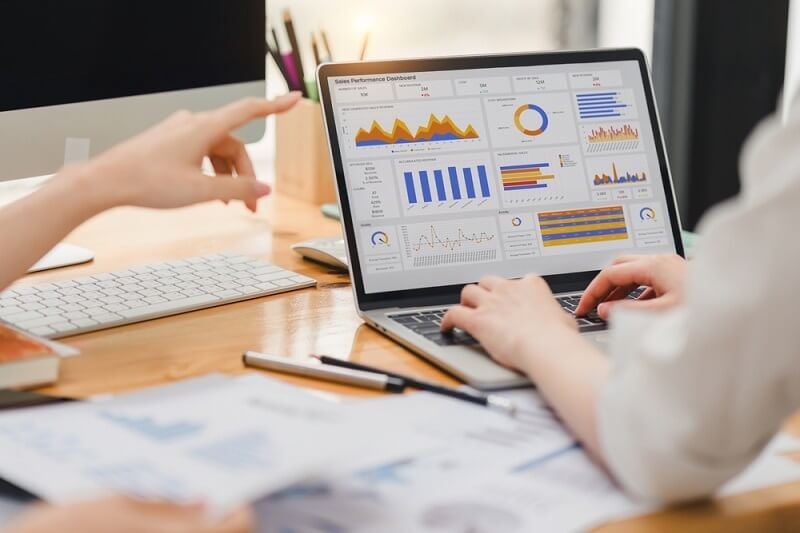
The goal of this article is to give an overall picture of multiple types of budgeting software, and show what each software type has to offer in order to identify which would be best suited to your needs and wants.
The following is a list of the characteristics that most people look for when choosing a budget application.
Most budget applications are available to use for free. However, some budget applications provide enhanced features (e.g., income forecasting, income planning, etc.) that a Free budget application may not include, which are available for purchase (premium).
The easiest-to-use budgeting programs have an easy-to-follow user interface with simple navigational options, easy syncing, and no complicated setup processes.
When comparing budgeting applications, there's a common theme throughout the reviews: those applications that are integrated with your bank(s), credit card(s), investment account(s), etc., through an online platform generally offer a higher level of functionality than those that are not integrated.
Budget applications with automated transfers for saving or those that make personalized saving suggestions are distinguished from other budget applications when comparing.
Properly functioning data encryption, two-step authentication methods, and secure cloud storage are part of how top-rated personal finance applications operate.
Evaluating all three together will help you determine which one(s) are suited to be the right budgeting application(s) or free resources for budgeting.
Below are the various categories associated with personal finance apps and who/what users fit best with them:
Ideal for people who require only simple dashboards, reminders, and spending alerts.
These options integrate budgeting with investment tracking and wealth analytics.
Budget-sharing features make it easier to manage money together while removing the opportunity for miscommunication about money.
Personal Budgeting, Expense Tracking, and Ready Reports are all offered by the best personal finance apps.
All the top-rated personal finance applications have various features available; however, each person needs to see what they want from their budget app before making a selection.
Savings goals are easier when you can visually track your progress. Whether you're exploring a money tracking app review, comparing apps through a budgeting software comparison, or experimenting with digital budgeting methods, the right tools help you:
These tools remove the emotional and mental burden of budgeting, making financial stability more achievable.
Determining the best budgeting app or free budgeting tools for your personal financial needs and lifestyle will ultimately depend on how you manage your finances and what you're trying to accomplish with your finances. Here are the top features most comprehensive reviews for money tracking apps typically indicate:
Freelancers might need applications with support for sporadic income.
Some people would like automation, others want more control.
If you tend to overindulge in eating out and/or travelling (as opposed to other categories), then the apps that provide stricter category alerts will be more useful to you.
If you want forecasting or debt payoff tracking, choose apps that offer robust analytics.
Without a doubt! Some of the best tools available today are free and have evolved to be very useful. Many of them also provide the same features as paid apps, such as tracking expenses, reminding users of upcoming bills, and creating goals for how much money to save.
However, paid versions outperform their free counterparts in the following ways:
Depending on your financial growth needs, you might eventually combine free budgeting tools, advanced digital budgeting methods, and the best personal finance apps.
Using more than one app can multiply your financial clarity. For example:
This combination often leads to better financial habits in the long run.
More people in the U.S. are shifting from manual budgeting to digital tools because:
This current change will create a benefit for both new users and those who are already knowledgeable about finances.
The emerging digital age has evolved many aspects of how we manage our funds, including budgeting software, and has led to the creation of free apps that are essential for achieving financial health in the long term via well-designed digital budgeting techniques, a trusted Money Tracking App Reviews link, as well as an objective comparison of budgeting systems.
The Digital Future of Financial Wellness is Here ! With a little practice and a plan in place, you can create an even better and safer life for yourself through the use of the appropriate tools.
Choose based on ease of use, bank syncing, automation, security, and your financial goals. Compare features through a budgeting software comparison and focus on apps that support digital budgeting methods.
Digital budgeting tools provide an automated, organized, and real-time view of your budget. They help you monitor spending and create patterns for saving with the assistance of smart tips and alerts from your budget management applications.
Free budgeting tools can provide all the features needed (e.g., the ability to track spending and generate reports) that make them as reliable as paid solutions, provided users practice good budgeting habits with those tools.
Automating the process of managing your money every day by using an app is an effective way to manage your money, and it provides up-to-date information about any spending that may have occurred during the day. They take the guesswork out of managing your money each day, help users avoid overspending, and help users stay on track with their budgeting goals with less effort.
Security, syncing, automation, category tracking, savings tools, and ease of use matter most. Compare each app based on your specific lifestyle and long-term financial goals.
This content was created by AI