

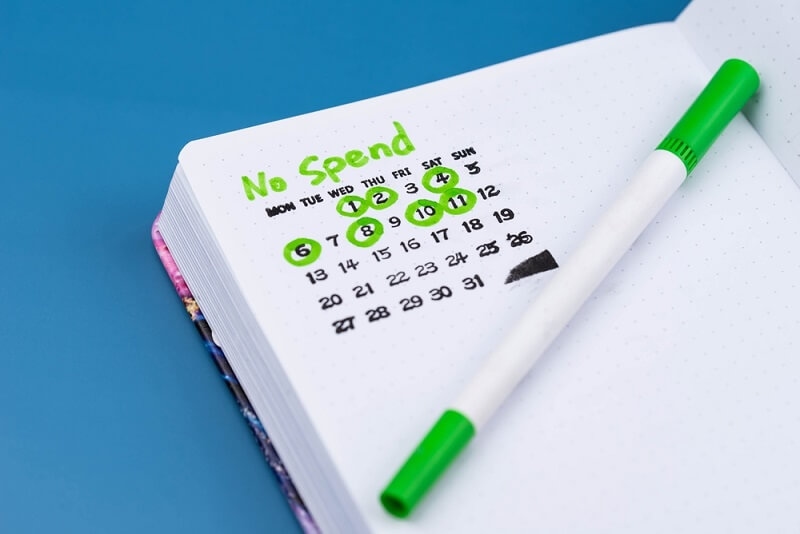
Everyone has a time in their life when they want a fresh start. A great way to start a new beginning is to participate in a No-Spend Challenge. The challenge may sound daunting, but it really helps you make positive changes in your spending patterns quickly. The basic concept of the challenge is that during a defined time period (i.e., one week or one month), you only spend money on items that are necessary for your survival. During this challenge, participants often learn a great deal about themselves and develop techniques to become better savers. There are many rules and helpful tips, such as a weekly spending challenge, to assist participants in eliminating unnecessary expenses and creating a plan for managing their finances in the future.
This article helps explain what the challenge is, how it works, and why so many people enjoy the enormous benefits of no-spend living at least once.
Spending money without thinking is a common habit. You might grab fast food, buy discounted clothing, and order items online late at night, but those are all contributing to your mounting bills. With the No-Spend Challenge, you can train your brain to pause and reflect before spending again.
What this really means is:
Families and individuals use this challenge to experience more freedom and less financial stress.
A zero-spend month is a whole month where someone only pays for what is necessary to live—no new shoes, no unnecessary expenses. No coffee shop stops. No impulse buys. Good rules keep things simple and help prevent surprises.
Standard zero-spend month rules include:
Following these rules gives a clear picture of how much money usually slips away.
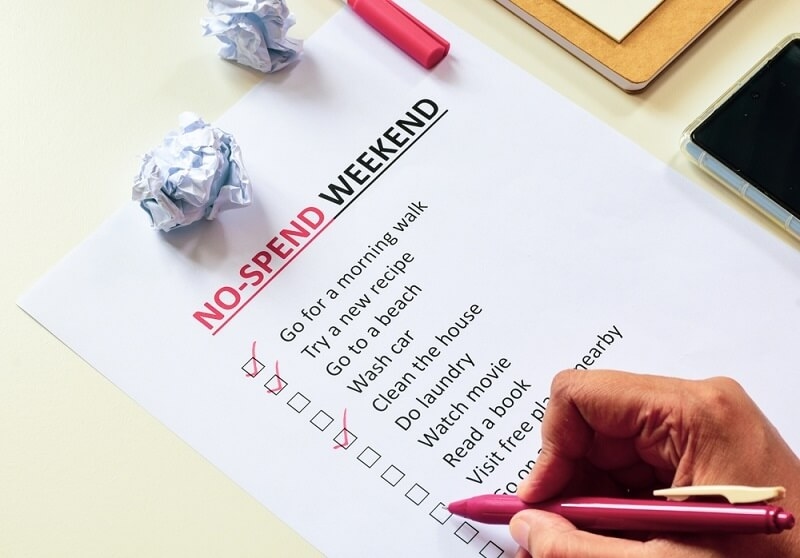
Some people start small with a weekly spending challenge. It is a shorter commitment, making it easier to finish without giving up. Every week encourages a fresh try.
Good weekly challenge ideas:
This weekly spending challenge lets beginners learn new habits step by step. If one week goes well, please repeat the process until you are ready to commit to a whole month.
There are many benefits of no-spend beyond money in the bank. People grow stronger when they learn they don’t need to buy everything they want.
Here are the significant benefits:
Imagine enjoying a vacation later because of the money you save today and/or being prepared for emergencies without panic. The no-spend challenge helps create that future.
A primary goal of the challenge is to cut unnecessary expenses. It is surprising how much money is spent on items that don’t improve life at all.
Examples of expenses that can shrink:
Tracking spending helps identify where money is being wasted. A person may cancel a subscription once they realize they forgot it existed.
A financial reset plan gives structure to this challenge. It helps people avoid old habits once the challenge ends. It does not need to be complicated.
Pieces of a good reset plan:
This plan helps ensure the benefits are long-term and not just temporary.
Planning increases success. Nobody wants to run out of groceries and then go on a shopping spree. A few simple steps make everything easier.
Before starting a No Spend Challenge:
Having backup ideas helps avoid temptation when boredom comes.
People become more creative during a challenge, making life feel more enjoyable rather than limited. A few changes can keep things positive.
Try swapping:
These choices still bring joy without the bills.
We think reflecting on your progress helps maintain strong motivation. A weekly check-in can show what went well and what needs help.
What to review:
Celebrating small wins matters. It proves that the challenge is working, even when the final results are not yet complete.
Kids can join in the challenge as a fun family challenge. They learn to distinguish between needs and wants early in life.
Fun activities:
A no-spend challenge can help shape smarter future spenders.
The emotional aspect of spending is often overlooked. Writing things down shows deeper reasons behind habits.
People can ask:
This reflection creates long-term change.
Finishing the challenge is exciting, but jumping back into big spending weakens progress. Ending slowly matters.
Try easing out of challenge mode by:
Maintaining progress feels good and helps alleviate financial stress.
People can take control of their finances through a No-Spend Challenge. By implementing a few smart rules and slight modifications, the ease of saving money is improved. Unneeded spending habits are eliminated, and a financial reset provides a sense of stability and security. Anyone can begin today to build an economic future where their money works for them.
Plan what counts as needs, prepare pantry items, tell family, and set goals. Start with a weekly challenge if one month seems too big.
Housing, groceries, medicine, utilities, school supplies, and work needs. Entertainment and wants are paused.
Most people benefit from looking at their spending habits. It works well for families, individuals, and people wanting a budget reset.
That is okay. Just restart and learn from the moment. Progress matters more than perfection.
This content was created by AI