

Most people do not struggle with the idea of saving money. What they struggle with is deciding where that money should go. There is always something competing for attention. A repair that cannot wait. A trip that feels overdue. A future goal that feels far away.
This is where confusion around short term vs long term savings usually starts. It is not that people do not care about the future. It is that the present keeps demanding money first.
If you are trying to figure out how to balance both without feeling constantly behind, this article is for you.
A lot of advice makes this feel like a decision. Save for now or save for later. That framing causes problems.
Short-term savings and long-term savings do different jobs. One keeps your life from falling apart when something unexpected happens. The other makes sure you are not forced into bad choices years from now.
Ignoring either one creates stress. The balance is not about being perfect. It is about being realistic.
Top pick: No Spend Challenge Helps You Save Money and Reset Habits
Short-term savings cover expenses that are likely to show up sooner rather than later. Usually within a few years. These are not abstract goals. They are things most adults deal with regularly.
Examples include:
This is where emergency fund planning becomes essential. An emergency fund is not exciting. It does not grow fast. It does not feel productive. But it prevents small problems from turning into long-term financial damage.
Without short-term savings, people often end up using credit cards or borrowing from retirement accounts. That creates more problems than it solves.
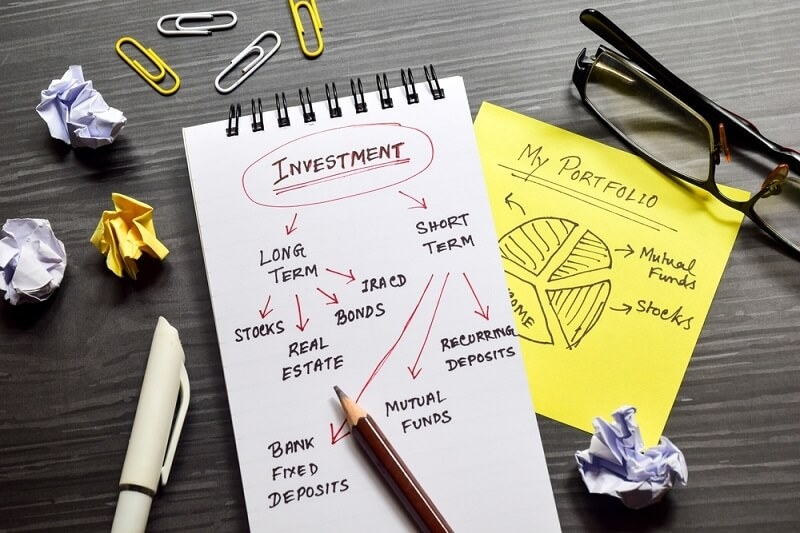
Long-term savings are for goals that are far enough away that time matters more than speed. These goals usually cannot be handled with last-minute planning.
Common long-term goals include:
Long-term savings are the backbone of saving for future needs. They rely on consistency, not timing. Small contributions over many years usually matter more than large contributions made late.
The mistake people make is assuming they can “start later” with long-term savings. Later arrives faster than expected.
If all your money goes toward the future, daily life becomes stressful. One unexpected expense can undo months of progress.
If all your money stays in short-term savings, the future never moves forward. Goals keep getting delayed. Retirement feels farther away every year.
Balancing short term vs long term savings means accepting that both deserve space in your budget, even if one gets more attention at different times.
Your financial priorities decide how that balance looks right now, not forever.
Don’t Miss: Top 15 Expert Hacks to Save Money on Groceries Today
Before worrying about growth or investment returns, emergency savings need to exist.
An emergency fund is money you can use without hesitation when something goes wrong. Job loss. Medical issues. Urgent repairs.
Most people aim for three to six months of essential expenses. That range is flexible. What matters is that the money is accessible and separate from long-term savings.
Strong emergency fund planning keeps you from making panic decisions. It protects long-term goals by acting as a buffer.
This is not optional if you want a stable plan.
A mistake many people make is setting priorities once and never revisiting them.
Your financial priorities at 25 are not the same as they are at 40. Income changes. Responsibilities change. Goals change.
What matters is clarity. Knowing what comes first right now helps you decide where your money should go this month, not in theory.
Examples of shifting priorities:
Revisiting priorities once a year keeps savings aligned with real life.
One of the simplest ways to manage multiple goals is goal-based savings.
Instead of one general savings account, money is divided based on purpose.
For example:
Goal-based savings reduces temptation. It also makes progress easier to see. When money has a specific job, it is less likely to be used for something else.
This approach is practical, not fancy. It works because it matches how people actually think.
Not all savings belong in the same place.
Short-term money needs to stay safe and accessible. Long-term money needs room to grow.
Short-term options often include:
Long-term options usually include:
Matching the tool to the timeline supports both stability and saving for future goals.
People often blame motivation when savings feel inconsistent. The real issue is friction.
Automating savings removes the need to decide every month. It happens whether you feel motivated or not.
You can automate:
Automation helps maintain balance between short-term needs and long-term plans without constant effort.
Savings plans should move as life moves.
Changes that often require adjustments include:
Review your savings at least once a year. Adjust amounts if needed. Revisit financial priorities and rebalance.
This keeps your short term vs long term savings approach realistic instead of rigid.
Avoiding these issues keeps both present stability and future plans intact.
Must Read: Emergency Fund Tips To Help You Stay Ready For Anything
Balancing short term vs long term savings is not about discipline or sacrifice. It is about structure that fits real life.
Short-term savings handle interruptions.
Long-term savings create options.
Clear goals keep everything from bleeding into everything else.
When savings reflect how life actually works, managing money feels less overwhelming.
Start with emergency fund planning. Once that is stable, split savings based on upcoming expenses, income reliability, and long-term goals. The balance will change over time.
Yes. Reducing is better than stopping. Even small contributions toward saving for future goals help maintain momentum.
Goal-based savings gives each dollar a clear purpose. This reduces confusion and makes it less likely that long-term savings will be used for short-term needs.
This content was created by AI